Facilitating processes, designing alternative corridors to manage trade in wartime
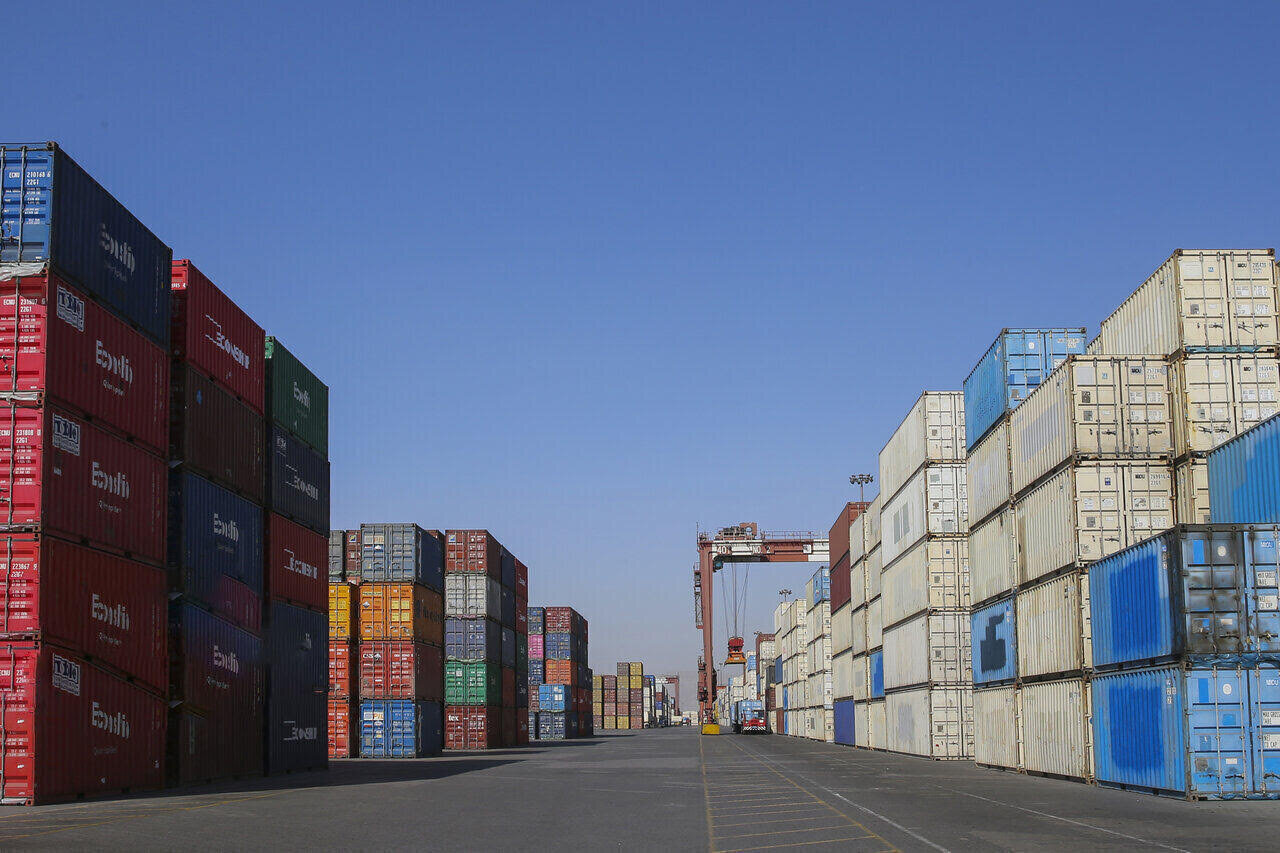
TEHRAN- Since the beginning of the third war of aggression, the government has placed the facilitation and acceleration of the country's trade on its agenda, so that while removing obstacles related to import facilities for essential goods, it has also replaced traditional methods with new trade corridors.
As reported by IRNA, approximately two months have passed since the start of the American-Zionist coalition's aggression against the Islamic Republic of Iran. These circumstances have prompted trade sector authorities to streamline administrative procedures in order to neutralize, as a form of passive defense, some of the enemies' plots against the country's commercial affairs.
Key measures implemented during the recent war of aggression include: extending the validity of trade cards, extending deadlines for fulfilling export and import currency obligations, extending order registration validity periods, lowering the threshold for applying currency obligation restrictions, extending the percentage customs clearance approval, the continuous operation of service desks at the Trade Promotion Organization, paying export incentives related to the past Iranian calendar year 1404 (ended on March 20), and banning the export of domestically needed goods such as chemical, polymer, and petrochemical products.
Furthermore, restrictions on trade routes — particularly the American terrorist army's naval siege of Iran — have forced merchants to use new routes to import essential goods.
In this regard, preparations have been made to utilize the infrastructure and port capacities of neighboring countries in the northeast and west, including Turkey and Pakistan.
Identification of 10 new trade routes
Identifying new trade routes is another measure being pursued by the Trade Promotion Organization to reduce trade costs and vulnerability for merchants, while also potentially increasing cross-border trade volume.
In this connection, Amir Roshanbakht, Deputy for International Business Promotion at the Trade Promotion Organization of Iran, has announced that 10 distinct corridors have been identified to supply essential goods, production necessities, food, medicine, medical equipment, and other items.
According to Roshanbakht, under current circumstances, new routes must be defined and mapped for the main southern corridor.
He stated: "We have now identified 10 new routes that can replace the southern corridors. Without a doubt, these routes will also help trade in the post-war period, reducing trade costs and decreasing the country's vulnerability along this path."
Utilizing Eurasia's capacities to meet domestic needs & conduct exports
One of the most important actions taken during the Fourteenth Government was the implementation of Iran's free trade agreement with the Eurasian Economic Union, which created new market opportunities and trade corridors.
With the development of Iran's economic and trade diplomacy with Eurasian Union member states, new trade corridors have now become available to Iran, allowing greater focus on the Central Asian route and enabling the country to meet some of its needs through these alternative pathways.
Moreover, Iran's alliance with Eurasian Economic Union members not only allows Iran to supply its needs from these countries but also enables those countries to benefit from Iran's high-value-added goods and commercial products.
EF/MA
Leave a Comment